Our Experience

The NIF (Número de Identificación Fiscal) is the tax identification number in Portugal.
To obtain a NIF, you generally need to follow these steps:

Step 1: Getting a NIF Number

The very first thing you’ll need is a NIF number (Número de Identificação Fiscal). To get one, you’ll need a fiscal representative — someone (or a company) who acts as an intermediary between you and the Portuguese tax office (Finanças). They’ll receive and send official communications on your behalf.

Unless you have a trusted friend or family member in Portugal who can act as your fiscal rep, it often doesn’t make financial sense to appoint someone personally. Instead, it’s usually easier (and more cost-effective) to go through one of the many companies offering this service remotely.

We used nifonline.pt — back in 2022, it cost us around €66, and we were able to use our UK address.

🔄 Important Tip:
Once you’ve moved to Portugal, you can update your NIF with your Portuguese address. At that point, you’ll no longer need a fiscal representative.
⚠️ But be aware: changing your address officially classifies you as a Portuguese tax resident — so it’s essential to time this step carefully based on your personal situation.

Accessing the Finance Portal

You’ll also need login credentials for the Portuguese Finance Portal (Portal das Finanças). These are usually provided by the fiscal representative or the company you used to get your NIF. Make sure to request your login and password before ending your contract with them — they may not provide it afterward.

If you don’t manage to get the login details in time, you can request a new password by visiting your local Finanças office. Be prepared: in our case, we visited the office in Tábua, where no one spoke English. We had to bring a printed, translated letter explaining our request. Always carry your passport, proof of address, and NIF when visiting in person. For more details on Accessing the Finances Portal

Step 2: Getting a Bank Account

Once we had our NIF numbers, we chose to open an account with Santander Portugal. Although we already had a Santander account in the UK, we quickly discovered that the two operate completely independently — there’s no direct link between them.

That said, the process was quite simple. We visited a branch in Porto, and thankfully, the staff spoke very good English, which made everything much easier. We brought our NIF, passports, and proof of address, and were able to open a joint account without any major issues.

The first debit card was free, but there was an additional monthly fee of €6 for the second card — something worth keeping in mind if you’re planning to open a joint account.

How to Open a Bank Account in Portugal

Opening a bank account in Portugal is relatively straightforward once you have your NIF (Tax Number) — which is a requirement for most financial transactions in the country.

✅ What You’ll Need

To open a Portuguese bank account, you typically need the following documents:

  1. NIF (Número de Identificação Fiscal)
    – You must already have this. (See our guide on how to get a NIF.)

  2. Valid Passport or ID
    – If you’re an EU citizen, your national ID may be accepted. Non-EU citizens will need a passport.

  3. Proof of Address
    – This can be your current UK address (if you’re opening it before moving), or your Portuguese address once you’ve relocated. A utility bill, rental contract, or bank statement usually works.

  4. Proof of Income or Employment (sometimes required)
    – Some banks ask for this to assess your financial stability. Payslips, employment contracts, or pension statements are often accepted.

After returning to the UK from our trip to open a Portuguese bank account, we began searching for properties now that we had both a bank account and our NIF numbers. The search felt endless as we explored all over central Portugal. Wanting to immerse ourselves in the local Portuguese community, we focused on areas further inland and based ourselves in the charming village of Côja.

We soon found an Airbnb for February 2023 and decided that around ten days would give us enough time to view properties. Our next step was to search online for listings in and around the area. Within a few weeks, we managed to find two local properties and another two a bit further afield, ready for viewing on our return in February. We were so excited!

February 2023

February soon arrived, and we were filled with anticipation as we packed our bags and headed back to Portugal. We settled into our Airbnb in the lovely village of Côja, surrounded by rolling hills and the peaceful rhythm of everyday Portuguese life.

With a list of four potential properties to view, we spent the next ten days driving through the countryside, exploring villages, and meeting friendly locals. We used Idealista.com to search for properties in and around the area, which became our go-to site for finding local listings and keeping track of new opportunities.

Each property had its own charm — some needed more work than others — but every visit brought us closer to understanding what we truly wanted.

In between viewings, we enjoyed discovering local cafés, small markets, and hidden scenic spots. The slower pace of life and genuine warmth of the community confirmed that this was exactly the kind of place we wanted to call home.

By the middle of our trip, we came across a property in Espariz, and something about it immediately felt right. After a long talk with our housemates, we decided that this was the one. The house offered stunning countryside views and had great potential — spacious enough to be converted into two separate apartments.

By the end of our stay, we were certain: Espariz was where our new adventure would begin.

The Buying Process

Once we decided that the house in Espariz was the one, the real work began. Buying property in Portugal can feel a little overwhelming at first — especially with all the paperwork, translation, and legal steps involved — but we were ready to take it all on.

We’d first discovered the property on Idealista.com, a popular property listing website where estate agents post their listings. The house was being handled by Remax, so we contacted their local agent and arranged another viewing to take a closer look. Walking through the property again only confirmed our decision. The layout was perfect for our plans, and the views across the countryside were even more beautiful than we remembered.

With our NIF numbers and Portuguese bank account already set up, we were in a good position to move forward. The next step was to find a local solicitor (advogado) to guide us through the legal process and ensure everything was in order.

There were a few nervous moments as we waited for documents to be checked and translated, but the excitement kept us going. When we finally received confirmation that our offer had been accepted, it felt incredible — all our research, preparation, and planning had paid off.

We were now the proud soon-to-be owners of a little piece of Portugal!

Getting the Keys

After what felt like months of anticipation and paperwork, we finally received the email we’d been waiting for. On April 17th, 2023, Manuela, the Remax estate agent we’d been dealing with, wrote to let us know that our keys were ready!

Manuela had been absolutely wonderful throughout the whole process — always quick to respond, incredibly helpful, and fluent in English, which made everything so much easier. Her calm and friendly approach took away so much of the stress that can come with buying a home abroad.

Seeing that email in our inbox was such a special moment. After all the planning, travelling, and dreaming, our little house in Espariz was finally ours.

However, we couldn’t travel to Portugal straight away due to work commitments. The earliest we could book flights was May 2023, so we made our plans to head over as soon as possible. The wait made the upcoming journey even more exciting — soon we would see our new home for the very first time as owners.

First Night in Espariz

In May 2023, we finally made the journey to our new home. We flew into Porto on a late flight, hired a car, and drove down to Espariz. Manuela met us at the house around 8pm.

We quickly dropped off the boys with Manuela so they could stay at the house while we drove to Lidl in Tábua to pick up a few essentials. When we returned, it soon became clear that things weren’t quite as we’d expected — there were no light bulbs, no fridge (despite being promised one), and no hot water.

The lads explored the bare kitchen — no fridge, no kettle, nothing — and came back laughing at the chaos that awaited us. It wasn’t the cozy welcome we had imagined, but that evening perfectly captured the spirit of our new life in Portugal: improvisation, laughter, and adventure.

The first night consisted of dogs barking outside, so we had to close the window even though the room was stiflingly hot. The blow-up beds weren’t exactly comfortable on the hard floor, but somehow, we managed to get a few hours of sleep.

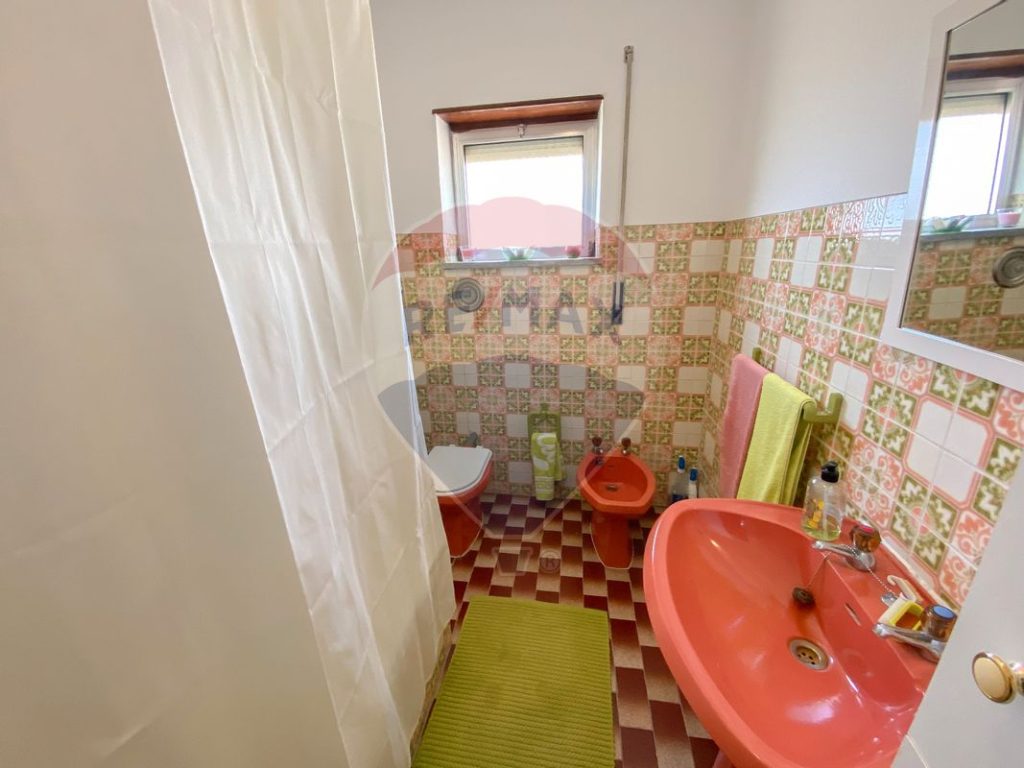
In the morning, we braved the old salmon-pink bathroom — still no hot water — and set the lads to work trying to coax life out of the creaky old boiler. With a lot of fiddling, a few laughs, and some crossed fingers, we slowly began to make the place feel like our own.

It was far from perfect — yet it was unforgettable. Our first night in Espariz became the start of an adventure we’ll always remember.

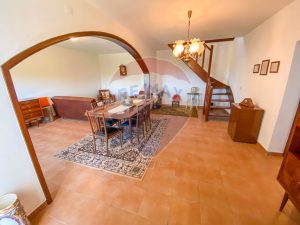
Below are a few photos from Re-max. (No furniture was left apart from the little white table & stools)

Meeting Our Builder – A Small World Story

We didn’t have any neighbours nearby, but we already had a builder booked for a visit. We’d actually met him in quite an unexpected way — through some English friends we’d met earlier in Arganil during a trip that February.

It’s a bit of a funny story. When we visited Arganil market — which our helpful Airbnb host, Jane, had recommended — we decided to have lunch at one of the traditional Portuguese outdoor restaurants at the market. We were served a delicious meal of grilled chicken with chips, rice, and salad, along with a choice of red or white wine, all for around €7 per person.

As we were eating, we overheard people at the next table speaking English. We thought, let’s say hello! So we introduced ourselves and started chatting. When we asked where they were from, they said, “Oh, you probably won’t know it — a little place called West Coker.”

We burst out laughing — we were from Yeovil, only a few miles away! What were the chances? We’d travelled all the way to central Portugal, only to sit right next to people from practically our own neighbourhood back in the UK.

As we talked, two more people joined their table. “This is our builder, Paulo,” they said, and went on to tell us how good he was. They highly recommended him — and that’s how we ended up finding our reliable Portuguese builder.

Meeting the Builder

When Paulo came to visit, we walked him through the house and showed him our plans for each level. The downstairs was our main priority — it needed to be completely renovated before we could even think about living there.

We discussed what needed doing, from structural work to plumbing and electrics, and quickly realised just how much there was ahead of us. Still, seeing the plans start to take shape gave us a real sense of excitement — it was finally happening.